
EMDR Therapy Side Effects: What You May Feel, and When to Reach Out
If you're thinking about EMDR or you've just started, you may worry about emdr therapy side effects. That concern makes sense, especially if you're already carrying trauma, anxiety, or PTSD. The good news is that EMDR can help your brain process painful experiences so they feel less overwhelming over time.
Still, EMDR isn't the same as standard talk therapy. It focuses more directly on stuck memories and the body's stress response. Because of that, you might notice short-term emotional or physical reactions after a session. Those reactions can feel unsettling, but they don't automatically mean therapy is hurting you.
In many cases, side effects are temporary and part of active memory processing. Even so, your care should feel safe, paced, and supportive. Working with an emdr trained therapist or certified emdr therapist can help you feel more prepared, more grounded, and better able to handle what comes up between sessions.
Why EMDR can stir up strong feelings after a session
EMDR stands for Eye Movement Desensitization and Reprocessing. In simple terms, it helps your brain reprocess distressing memories that may feel frozen in time. Instead of only talking about what happened, you work through how the memory is stored, including emotions, beliefs, and body sensations.
When that process starts, your mind may keep working after the session ends. As a result, you might feel more emotional, have vivid dreams, or notice old thoughts rising to the surface. This can happen because trauma often keeps affecting daily life until your brain has a chance to file it away in a healthier form.
That doesn't mean everyone reacts the same way. Some people feel lighter right away. Others feel stirred up for a day or two before things settle. Your response depends on your history, your stress level, and how fast the therapy moves.
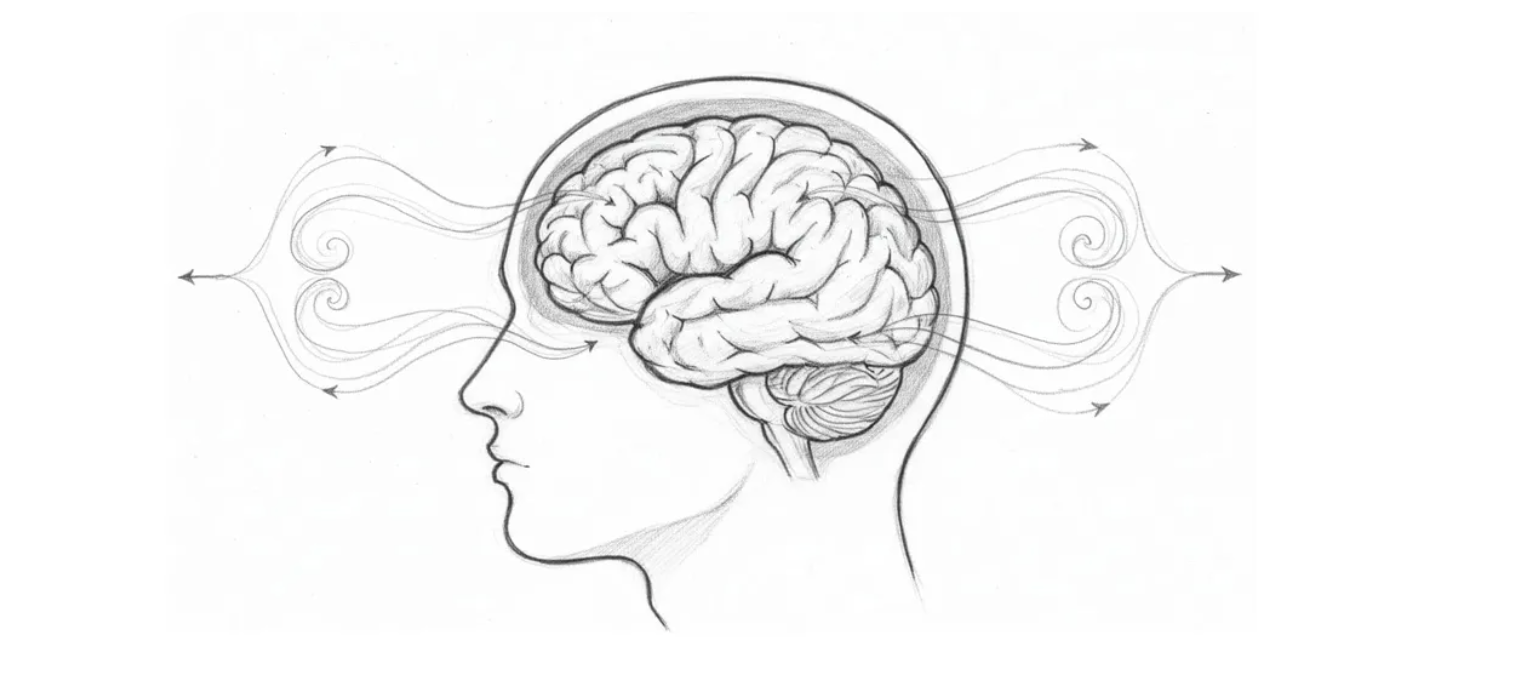
EMDR works differently from regular talk therapy
Traditional talk therapy often helps you understand patterns, name feelings, and build coping skills. EMDR can include those things, but it also targets the memory network itself. In other words, it aims to shift how a painful experience lives in your mind and body.
Because it's more focused on symptom relief and memory processing, EMDR can feel stronger at times. This is often true if you live with PTSD, complex trauma, childhood trauma, or painful relationship injuries like infidelity. If your nervous system has spent years on high alert, even good therapy can feel intense at first.
Temporary discomfort does not always mean something is wrong
Short-term activation can be expected. You might feel raw, tired, or distracted for a little while. Often, those reactions settle as your brain finishes processing.
A hard session doesn't always mean harmful therapy. What matters most is whether you feel supported, informed, and able to regain your footing.
Still, you shouldn't push through severe distress alone. If symptoms feel too strong, your therapist may need to slow the pace and spend more time on grounding and stabilization.
Common EMDR therapy side effects you may notice
Most EMDR side effects generally fall into three groups: emotional, physical, and cognitive. You may notice one of these, several of them, or none at all. Some people leave a session feeling calm and relieved, while others feel like their mind opened a drawer that had been shut for years.
Emotional reactions can include feeling tearful, anxious, irritable, numb, or on edge. Physical reactions may show up as fatigue, headache, body tension, nausea, or changes in sleep. Cognitive reactions can include vivid dreams, old memories resurfacing, poor focus, or feeling foggy. In many cases, these reactions are short-term.
The key takeaway is balance. These reactions can happen, but they do not happen to everyone, and they should always be discussed with your therapist.
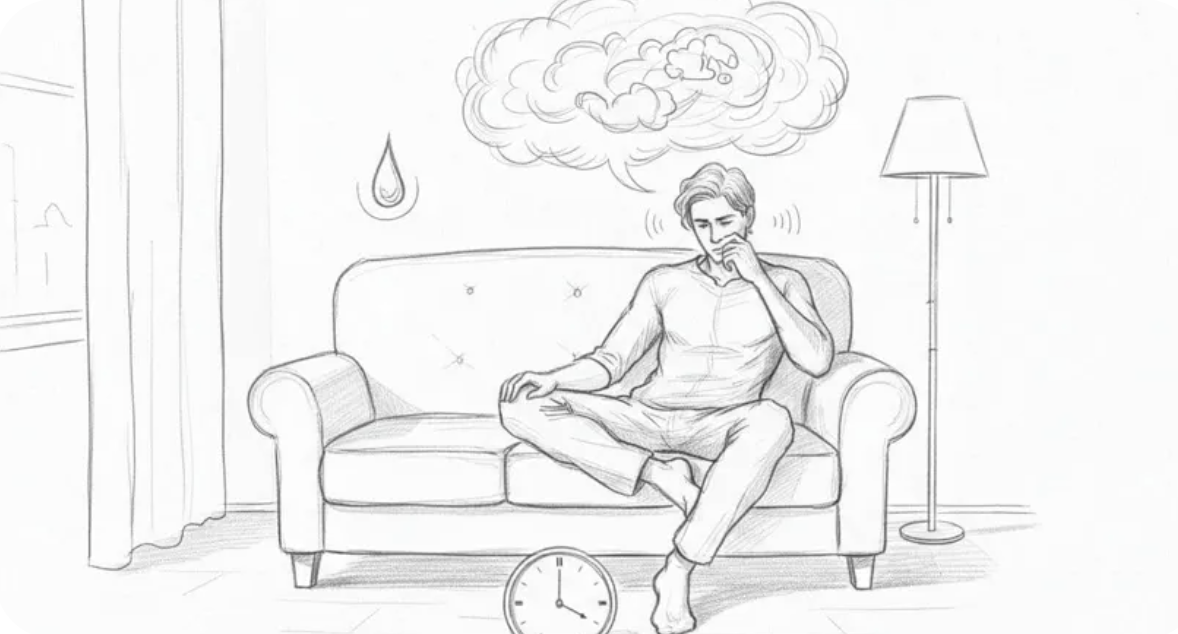
Emotional side effects, from tearfulness to feeling on edge
After EMDR, you may feel sad, angry, jumpy, or emotionally thin-skinned. Some people cry more easily. Others feel numb at first, then notice anger or grief later that day. Your mind may continue sorting the memory even after you leave the office.
This can feel confusing if you expected instant relief. Yet emotional waves don't mean the treatment failed. They often mean something important got activated. For people with trauma histories, especially complex PTSD, the mind doesn't always process pain in a straight line.
You may also feel more sensitive to stress for a short time. Loud noise, conflict, or a packed schedule might hit harder than usual. That's one reason many trauma-focused therapists suggest lighter plans after EMDR sessions when possible.
Changes in dreams, memories, and focus between sessions
Some people report vivid dreams after EMDR. Others remember details they hadn't thought about in years. You may also feel mildly distracted, mentally foggy, or emotionally pulled back toward an old experience for a day or two.
That doesn't mean you're going backward. Often, it means your brain is linking pieces of the memory in a new way. Still, any new flashbacks, strong body memories, or big changes in focus should be shared with your therapist. Treatment can be adjusted. Pacing matters.
If you already struggle with dissociation or memory gaps, this becomes even more important. A careful clinician will help you build stability before going deeper into trauma work.
How to make EMDR feel safer and easier on your nervous system
You can't control every reaction, but you can make EMDR easier on your system. Preparation, pacing, and therapist fit all matter. In practice, the best results often come when you feel both challenged and supported, not flooded.
Start with the basics. Drink water before and after sessions. Eat something steady if that helps you stay grounded. Then, if possible, leave some breathing room in your schedule. Going straight from trauma work into a tense meeting or family conflict can make the after-effects feel worse.
Tracking your reactions also helps. Write down sleep changes, dreams, body symptoms, mood shifts, or triggers that show up after a session. That gives your therapist real information to work with. Many trauma specialists use this kind of feedback to fine-tune treatment, especially when symptoms are strong.
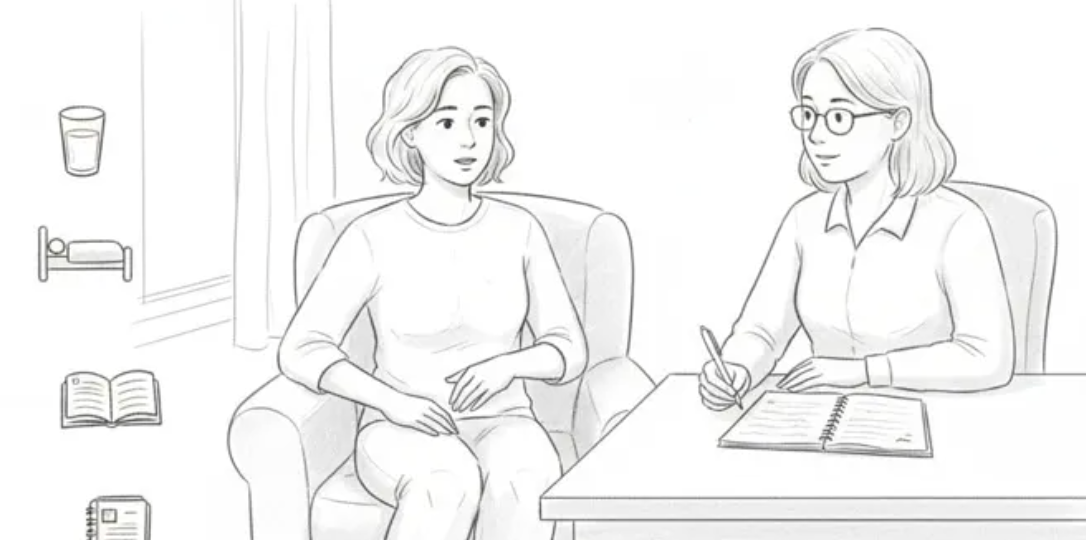
Tell your therapist what happens after each session
You can't control every reaction, but you can make EMDR easier on your system. Preparation, pacing, and therapist fit all matter. In practice, the best results often come when you feel both challenged and supported, not flooded.
Start with the basics. Drink water before and after sessions. Eat something steady if that helps you stay grounded. Then, if possible, leave some breathing room in your schedule. Going straight from trauma work into a tense meeting or family conflict can make the after-effects feel worse.
Tracking your reactions also helps. Write down sleep changes, dreams, body symptoms, mood shifts, or triggers that show up after a session. That gives your therapist real information to work with. Many trauma specialists use this kind of feedback to fine-tune treatment, especially when symptoms are strong.
Choose a therapist with trauma training and a careful approach
Experience matters, especially if you carry complex PTSD, childhood abuse, depression, infidelity trauma, or court-related family stress. Some therapists offer EMDR as one tool among many. Others have deeper trauma training and know how to pace work with more care.
That difference can matter a lot. A provider with strong trauma-focused experience may be better prepared to treat PTSD, overwhelming life events, and family wounds that still affect daily life. Some clinicians also have experience with family reunification cases or legal settings involving abuse and neglect. That background can add insight when trauma and high-stress family systems overlap.
If you're searching for emdr therapy new jersey, emdr therapy nj, or emdr therapy philadelphia, don't just look for the letters EMDR on a website. Look for a therapist who explains safety, preparation, and pacing clearly. Ask whether they're an emdr trained therapist or certified emdr therapist, and ask how they handle strong reactions between sessions.
When EMDR side effects are a sign to reach out right away
Some distress is expected, but some signs mean you need support sooner. Reach out promptly if panic won't settle, sleep is badly disrupted for several nights, dissociation gets worse, or you feel unable to function at work or at home. The same is true if you feel unsafe, start using harmful coping, or have intense flashbacks that don't ease.
Red flags that mean you need more support, not less
Needing adjustments doesn't mean you failed EMDR. It usually means your system needs more stabilization before deeper memory work continues. Good trauma therapy is collaborative. Your therapist should help you feel anchored, not overwhelmed.
Clear communication is the safest path forward. When you speak up early, your therapist can change the plan, add coping tools, or focus on containment before moving on. That's a sign of careful care, not weak progress.
A grounded way to think about EMDR therapy side effects
EMDR can bring up temporary reactions because your brain and body are actively processing what once felt stuck. So yes, emdr therapy side effects are real, but they are often short-term and manageable with the right support. The goal isn't to push harder. The goal is to process safely, at a pace your system can handle.
If you're considering EMDR, choose a provider who takes trauma seriously and explains the process clearly. Working with an emdr trained therapist or certified emdr therapist can help you move beyond survival mode and toward real healing. You don't have to white-knuckle your way through trauma treatment. You deserve care that feels steady, informed, and safe enough to do the deeper work.